
How many times have you heard someone say, "Oh, you have a 3D printer? What do you make with it? Silly trinkets and plastic dragons?"
Well, sure, those are fun. But 3D printers are so much more than just toy factories. When you pair a fully enclosed printer with a nice heated chamber and engineering filaments like polycarbonate or glass-filled nylon, you can manufacture actual, rugged tools tough enough to withstand real use around the house or garage.
Today, we are moving past the basic bed scrapers and looking at five genuinely practical, functional tool prints, along with the affordable filaments and settings you need to make them succeed.
1. The Retractable Utility Knife
- Source: Singh Designs (Thingiverse)
- Material Cost: ~14 grams of filament (pennies per print!)
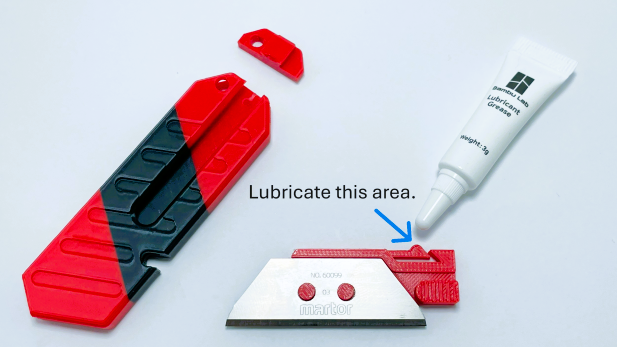
This is an incredibly clever, retractable box cutter that utilizes a standard razor blade held securely by two internal pegs. It features a keychain loop on top and a dedicated string-cutting notch on the bottom that is safely recessed away from your fingers.
The best part? You don't need any hardware to assemble it—just a tiny dab of lubricant (which you can borrow from your printer’s linear rails). Since you can buy a pack of utility blades for less than $10, we print these in bulk at the end of filament spools and toss one into every drawer in the house.
Filament Spotlight: Polymaker PolyLite PC (Polycarbonate)
- Price: ~$29.99 / kg
- Why it works: Polycarbonate is the most affordable "exotic" filament you can get. It offers incredible stiffness, heat resistance, and a cool translucent finish.
- Print Settings: Run it hot and slow. We recommend 280°C on the nozzle and 110°C on the bed with no fan. While the manufacturer advises crawling speeds, it actually handles standard CoreXY speeds quite well—just slow down your outer walls a pinch.
2. Pre-Marked Hex Key Handles
- Source: Glenn-o-vits 3D (Printables)
- Sizing: 1.5 mm to 10 mm
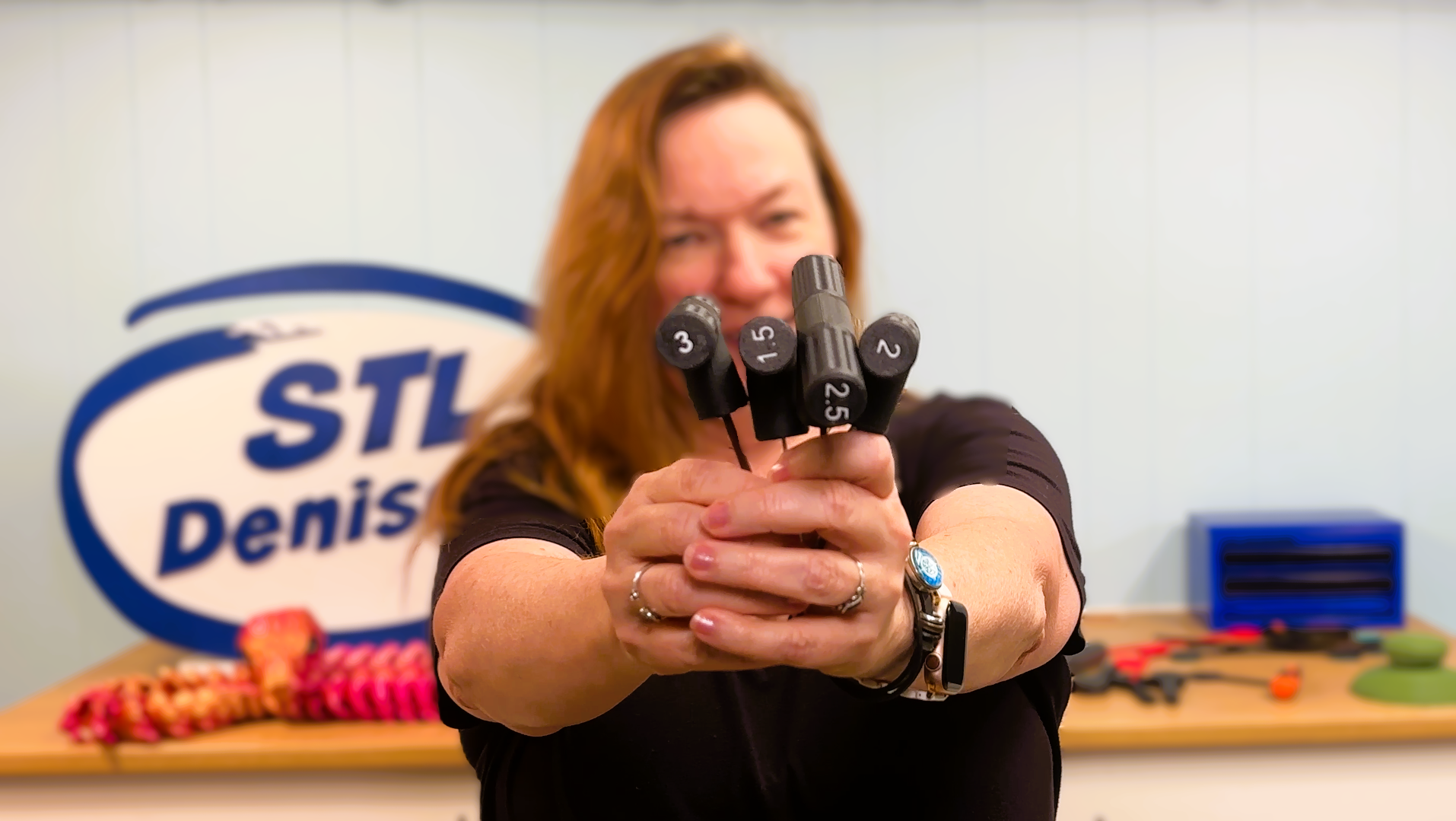
Almost every piece of furniture or printer comes with a handful of loose, unmarked hex keys tossed in a plastic baggie. Instead of sorting through a pile of metal trying to guess sizes, these screw-together handles give your keys a permanent home. The files are brilliantly designed; the parts thread together perfectly, the size markings always align facing outward, and they give you excellent extra torque during use.
Filament Spotlight: Fusion Filaments ABS
- Why it works: Perfect for smaller mechanical parts (like the 1.5 mm to 3 mm handles) that need rigidity and impact resistance without breaking the bank.
3. Compact Hacksaw Handle with Guard
- Source: Phil Caruso (Printables)
- Hardware Needed: 3x Heat-set inserts, 2x M3 screws, 1x M4 screw
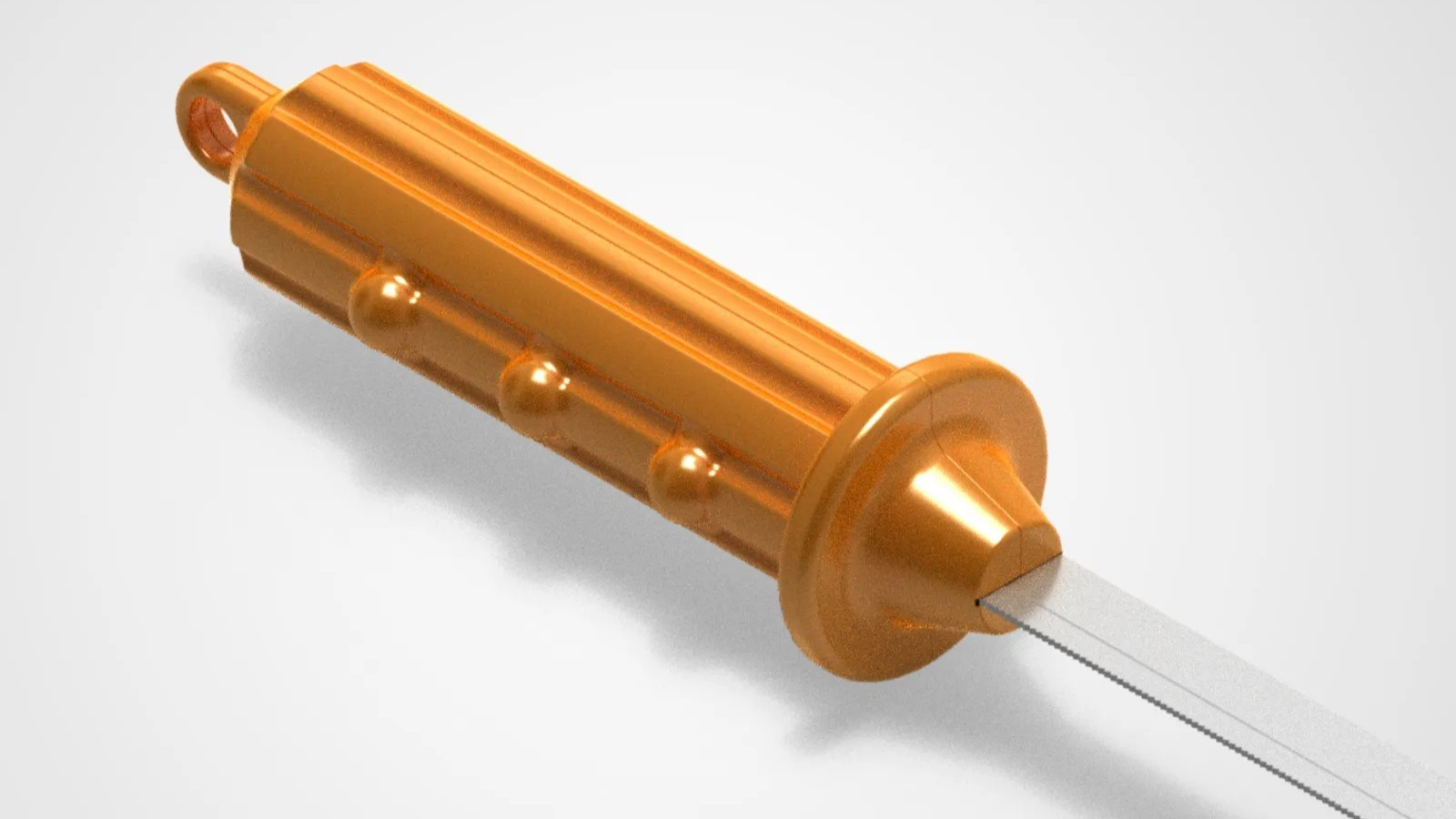
If you need a saw to get into tight spaces where a traditional hacksaw frame won't fit, this is your solution. The designer offers four variations (with or without a hand guard, and with or without heat-set inserts).
It prints seamlessly in two halves without requiring any support material. An internal M4 screw locks the blade tension in place, and the outer shell is clamped together by the M3 screws.
Filament Spotlight: Polymaker Fiberon PET GF (Glass Fiber)
- Price: ~$30.00 / kg
- Why it works: This is a PET (no "G") reinforced with glass fiber. It boasts incredible dimensional stability, meaning it stays completely flat on the bed without warping. It also has much lower moisture absorption than regular PETG and superior UV resistance.
- Print Settings: It requires some high heat: 310°C on the nozzle and 80°C on the bed.
- Important Note: Glass fiber will absolutely shred a standard brass nozzle. Ensure you are using a hardened steel nozzle or better!
4. The Dishwasher-Saving "Speed Socket"
- Source: Cascao (Thingiverse)
- Sizing: Scale to fit ¼", ½", or ⅜" drives
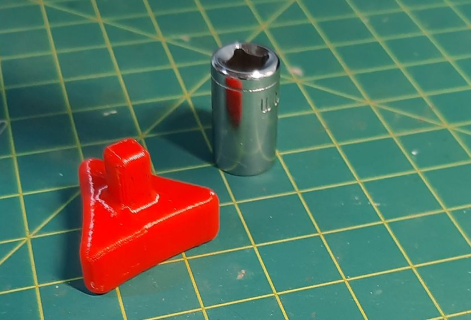
Ever had to fix an appliance where a standard socket wrench simply couldn’t fit into the clearance space? This pocket-sized speed socket driver is a lifesaver for tight appliance repairs—it actually saved our dishwasher repair job. It features a built-in spring mechanism to hold the socket tight. Because it’s a 3D print, you can drop the file into Tinkercad to extend the handle or modify it for your exact space limitations.
Filament Spotlight: Bambu Lab PA6-GF (Glass Fiber Nylon)
- Price: ~$60.00 / kg
- Why it works: This is a premium engineering nylon. It is incredibly tough and handles high-torque situations beautifully.
- Print Settings: Print with extra wall loops for maximum structural strength. Nylon is notoriously prone to warping, but the added glass fiber adds massive dimensional stability. Like the PET GF, a hardened steel nozzle is mandatory.
5. Custom Palm Sander
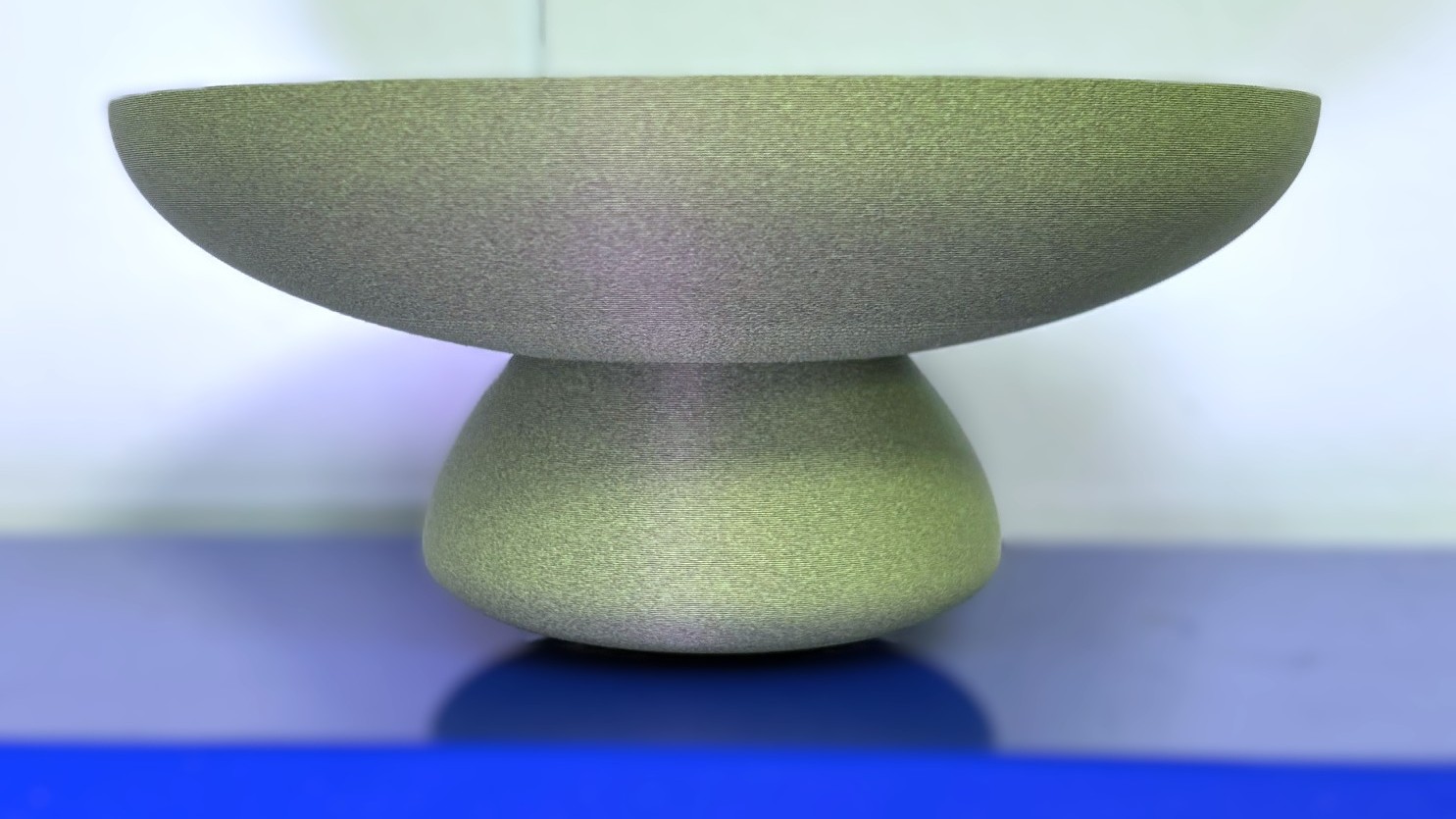
- Source: Designed in Tinkercad (using the Revolve Sketch Tool)
If you have leftover adhesive sandpaper discs meant for power tools, you can easily design a custom, palm-sized sanding block to utilize them by hand. It’s a quick design task that perfectly highlights how fast you can go from an idea to a physical tool. However, choosing the right material for this specific application is crucial.
Filament Spotlight: PLA-CF (Carbon Fiber)
- Price: ~$31.99 / kg
- The Reality Check: Carbon fiber in PLA is mostly for aesthetics, not raw strength. It gives a beautiful, matte, fuzzy finish that hides layer lines perfectly, but it comes with a catch. Carbon fiber filaments can shed tiny, microscopic fibers. If you are tightly gripping a raw PLA-CF handle for hours while sanding, you risk getting micro-splinters on your hands. For tools that require heavy skin contact, stick to regular PLA or PETG instead.
3D printing has officially evolved past the novelty stage. With $30 spools of glass-fiber and polycarbonate filaments readily available, the only limit to your workshop is what you can slice.
Happy printing!
~Denise